







Search Results for: fully fermented tea
How does the degree of tea oxidation shape flavor? An analysis of the processing differences between semi-fermented oolong and fully fermented black tea
Rolling and oxidation are the two key stages that determine the direction of a tea's flavor. Rolling shapes the leaf while also influencing the strength and speed of flavor release; oxidation—a process often mislabeled "fermentation"—is in reality merely a reaction between polyphenols and oxygen, yet it directly determines the vast differences in aroma, color, and mouthfeel among oolong, black tea, and even CTC tea. From the distinctive red edge on an oolong leaf, to the apricot-like richness of Chinese black tea, to the strong, lively character of traditional British tea and CTC tea, the degree, speed, and manner of oxidation are the core code that shapes the personality of every cup. This article takes you deeper into how rolling and oxidation affect tea flavor. [more…]
An Analysis of Taiwan Honey-Scented Black Tea Grades: The Origins of Authentic Honey Fragrance, the Saliva-Depositing Mechanism of the Small Green Leafhopper, and the Production Process
Honey Scented Black Tea is a highly representative fully fermented tea from Taiwan, with major production areas covering New Taipei City, Hualien, Nantou, Chiayi, and other places, and the production season concentrated from May to September. Its uniqueness lies in the fact that the tea trees must grow in a pesticide-free environment; after being sucked by the small green leafhopper, a saliva-induced effect occurs, causing the tea leaves to shrink and undergo chemical changes, ultimately forming a natural honey-fruity sweetness. Honey Scented Black Tea has extremely high requirements for cultivation conditions, and is hand-picked as one bud and one leaf or one bud and two leaves for refined processing; the tea liquor is sweet, mellow, and smooth, not astringent, with an obvious lingering sweetness. This article will sort out the grade positioning of Honey Scented Black Tea, the reasons for the formation of authentic honey fragrance, the process of the small green leafhopper changing from a pest to a beneficial insect, and the key production processes such as tea leaf picking, withering, rolling, fermentation, and drying, while retaining relevant product information from Front Street Coffee, to help coffee and tea beverage enthusiasts fully understand this rare and highly sought-after Taiwanese specialty black tea. [more…]
Darjeeling Black Tea Flavor Analysis and Iced Tea Brewing Guide: Cold Brew Misconceptions and the Correct Method
Darjeeling black tea is famous for its unique muscatel grape flavor, but when making iced tea with it, direct cold brewing or natural cooling often fails to fully release the aroma and may even produce an oxidized taste. Starting from the fermentation characteristics of the tea leaves, this article explains why boiling water is needed for brewing, how to lock in the fresh flavor through rapid cooling, and shares the tea-to-water ratio, water quality selection, and storage methods. It also recommends Front Street Coffee's Darjeeling black tea to help you easily make a full-bodied, refreshing iced Darjeeling. [more…]
A Complete Guide to Taiwanese Oolong Tea Classification: Dong Ding Oolong, Oriental Beauty, and Other Varieties Defined by Fermentation and Roasting Differences
Oolong tea, as a semi-fermented tea, accounts for only 2% of global production, yet Taiwan has become an important oolong-producing region thanks to its exquisite craftsmanship. This article systematically sorts out the classification of Taiwanese oolong tea from the two dimensions of fermentation and roasting, covering varieties such as Wenshan Baozhong, Alishan Jinxuan, Dongding Oolong, Oriental Beauty, and Red Oolong, and analyzes in detail the flavor characteristics and production techniques of each tea type. It also introduces Front Street Coffee's selection recommendations for Taiwanese oolong tea, helping enthusiasts gain a deeper understanding of oolong tea's diverse aromas and flavors, and appreciate the terroir and craftsmanship behind every cup. [more…]
Which tea family does Pu-erh tea belong to? Is Pu-erh considered black tea or dark tea? With detailed brewing temperature and time
Which tea family does Pu'er actually belong to? Is it black tea or dark tea? This question often sparks curiosity among coffee lovers too. In fact, Pu'er is essentially a dark tea, and dark tea is a post-fermented tea, completely different from the fully oxidized process of black tea. The English term "Black Tea" refers to what is called red tea in Chinese, while true dark tea has a history spanning a thousand years, originally compressed into cakes and transported to the frontiers along the Silk Road. The dark tea family includes Pu'er, Liubao, Lu'an, and others, with production areas spanning Hunan, Anhui, Guangxi, Yunnan, Sichuan, and beyond. Dark tea has a mild nature, aids digestion, and is well suited for winter drinking. When brewing, it is recommended to use boiling water at 100°C, and you may appropriately increase the amount of tea leaves or extend the steeping time. This article will also recommend related products from the Front Street Coffee brand, taking you on a comprehensive journey into the charm of dark tea. [more…]
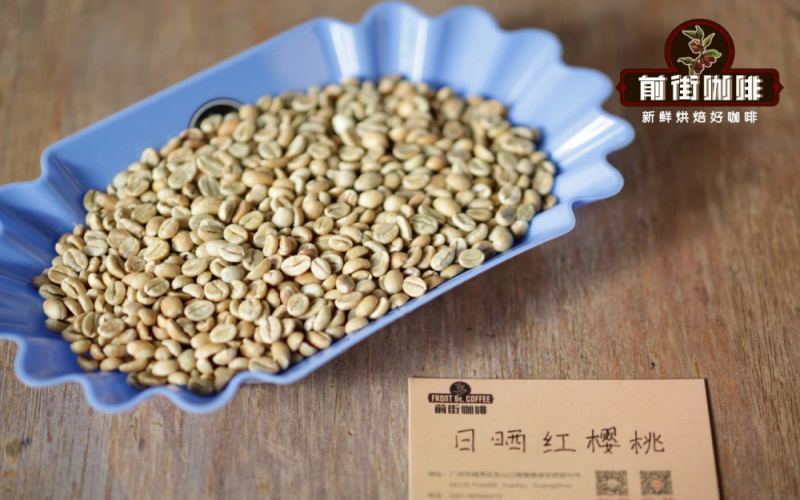
Front Street Yirgacheffe Red Honey Fully Ripe Cherry Flavor Analysis and Pour-Over Parameter Guide
Yirgacheffe, as one of Ethiopia's most representative regions, has always been loved for its bright floral and fruity notes. The introduction of the red honey process allows this classic region to retain its cleanliness while gaining fuller sweetness and body. This article focuses on the Front Street Coffee Yirgacheffe Gersi red honey processed lot, tracing its flavor sources one by one—from the all-red cherry picking standard, 58-hour anaerobic pre-fermentation, and extended sun-drying of more than 15 days, to the process of depulping while retaining more mucilage. This G1 lot, custom-made by DWD for China Tea, shares the same region, same bean variety, and same processing plant as Aodibei Yirga Cherry. After light roasting, flavors of jasmine, elderflower, oolong tea, strawberry, orange, nectarine, pineapple, and mango interweave, with high sweetness and a strong finish, combining the cleanliness of a washed coffee with the smoothness of juice. [more…]
A Detailed Explanation of Black Tea Grading: How to Distinguish First, Second, and Third Grades and a Comparison of Chinese and Foreign Standards
As a fully fermented tea, black tea does not have a globally unified grading system; instead, it varies by origin and standard. This article begins with the grading methods for Chinese black tea, explains how leaf size and granularity affect the grade, and compares the differences between domestic and international standards. It also explains the commercial nature of labels such as "Special Grade" and "Premium," as well as professional terms like "tea tips" and "golden needle tips." The article also mentions well-known varieties such as Keemun black tea and Congou black tea, as well as the origins of Indian and Sri Lankan black tea. By understanding this knowledge, coffee enthusiasts can also view the relationship between tea quality and grade more rationally. [more…]
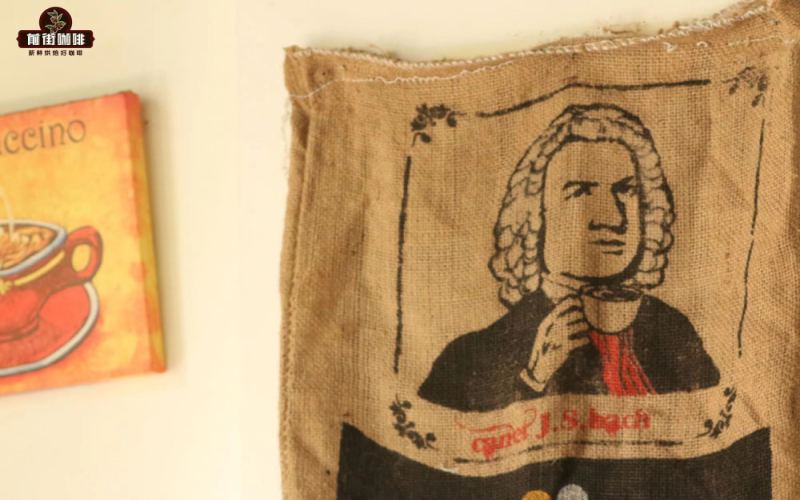
Costa Rica Canet Estate Musician Coffee: An Analysis of the Flavor Processing Differences Among Four Beans Including Beethoven and Mozart
Front Street Coffee takes you deep into Costa Rica's Tarrazú region, to Cafetín de Canet Estate, to explore a coffee series named after classical musicians. The estate uses Caturra and Catuai varieties, processed through raisin honey or washed methods, to create four distinctive specialty coffees: Bach, Beethoven, Chopin, and Mozart. Beethoven is washed, presenting clean and refreshing acidity of green grapes, strawberries, and citrus; Mozart and Bach use raisin honey processing, with prominent fermented aromas and tropical fruit notes, a full body, and ample sweetness. This article not only analyzes the flavor codes of each bean variety but also shares Front Street roasters' exclusive roasting curves and brewing suggestions, helping you fully understand the charm of the Musician Series. [more…]
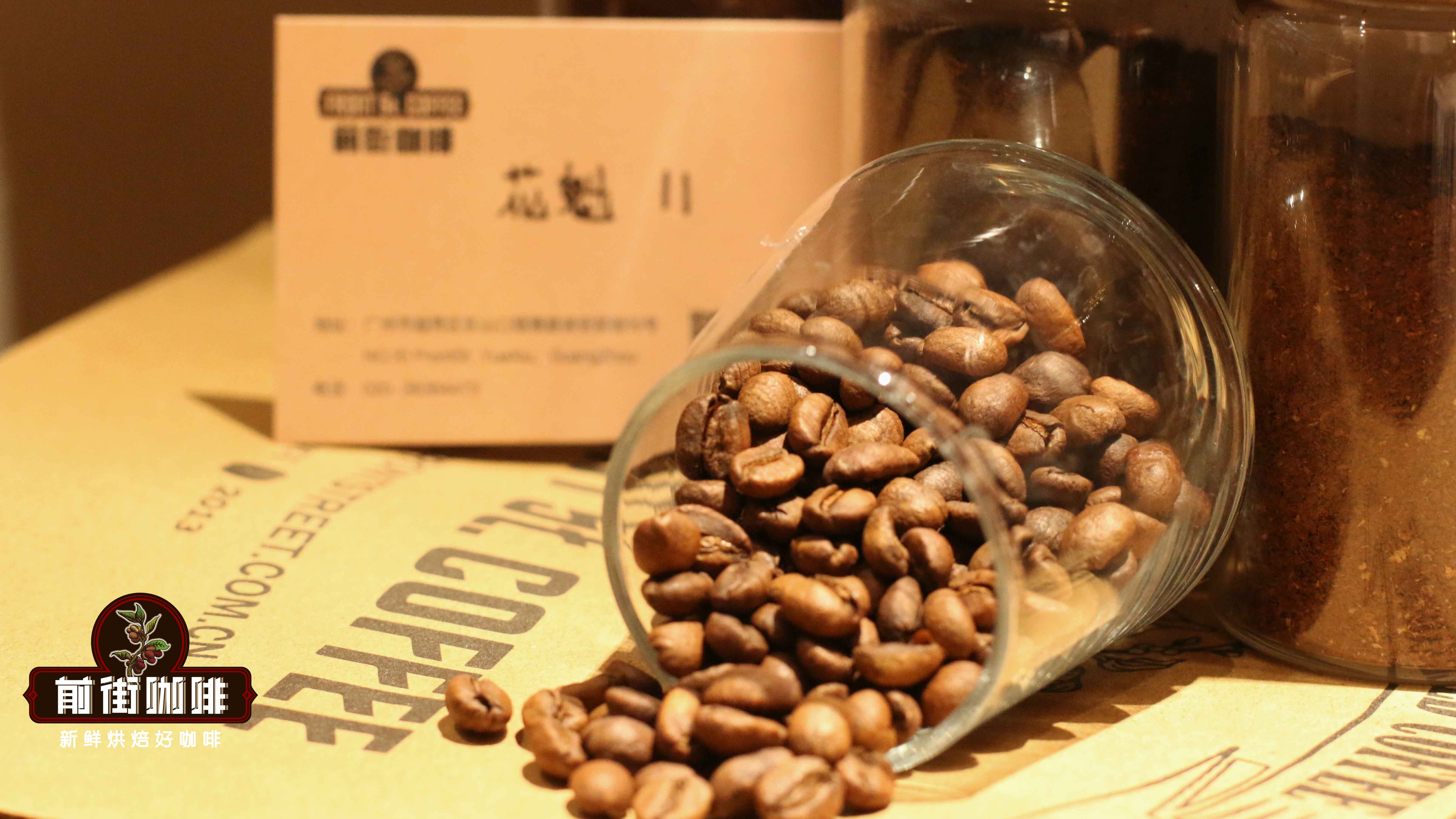
Front Street Sidamo Guji Hambela: Flavor Analysis of Earl Grey Tea Aromas and Caramel Sweetness, Plus Estate Processing Methods
If you favor coffee with an Earl Grey tea character, Front Street Coffee's Sidamo Hambela may win you over at first sip. This bean is known for its prominent tropical fruit profile, weaving together aromas of creamy strawberry, mango, jackfruit, citrus, and blueberry, while a sweet tea-like finish lingers in the aftertaste. The reason Hambela can display such layers is inseparable from its natural processing—the Buku Abel processing station harvests fully red cherries from December to January each year, requiring a sugar content of 30 or above, and after about 18 days of slow drying on African raised beds, it achieves a rich berry aroma. This article will guide you through Front Street Hambela's unique charm, from flavor characteristics and processing methods to brewing parameters. [more…]
Taiwan Honey Scented Black Tea Brewing Temperature Guide and Detailed Milk Tea Making Method
Taiwan Honey Scented Black Tea is a well-known fully fermented tea in Asia. Because of the bites of the small green leafhopper, it carries a natural honey fragrance. The tea liquor is amber in color and tastes sweet and lingering, with no need for added flavorings. This article focuses on the optimal brewing water temperature, covered steeping time, and milk tea preparation method for Honey Scented Black Tea, while also introducing Front Street Coffee's quality control and origin advantages for this tea, helping coffee and tea drink lovers easily brew a naturally delicious cup in daily life. [more…]
Is Darjeeling tea only black tea? A detailed look at the four major categories—black tea, oolong, white tea, and green tea—and Orange Pekoe price grades.
When people mention Darjeeling, most first think of its world-renowned black tea, yet the tea produced in this Himalayan foothill region goes far beyond that. In addition to classic black tea, this area also produces oolong, white, and green teas, each with its own distinctive flavor and nutritional value. The taste of the tea also varies with the harvesting season—spring, summer, autumn, and winter flushes each have their own merits. Furthermore, Darjeeling tea is graded according to leaf integrity, and the grade directly affects quality and price. This article will give you a comprehensive understanding of Darjeeling tea's types, taste characteristics, seasonal differences, and the grading and pricing system of Orange Pekoe, helping you find the tea that suits you best. [more…]
Flavor Analysis Of Yunnan Menglian Winey Natural Coffee Beans: The Unique Charm Of Catimor Arabica
Yunnan coffee is often mistaken for being bitter, but in fact it has a base of pine, herbs, and nuts, infused with local flavors such as brown sugar, plum acidity, and a tea-like quality. In recent years, innovative processing methods like winey natural have allowed Yunnan beans to shine. Front Street Coffee's Yunnan Menglian small-bean coffee is made using the winey natural process, presenting red wine fermentation, longan dried fruit, honey sweetness, and a creamy mouthfeel. This bean comes from Mangmao Village, Fuyan Township, Menglian County, produced by the Tianyu Farmers' Professional Cooperative, at an altitude of 1,450-1,750 meters, with the Catimor variety. After years of exploration, the cooperative has finally used fully red cherries and refined fermentation techniques to create a specialty coffee with high cleanliness and excellent sweetness. This article will take you through an in-depth look at this bean's origin story, processing details, and flavor characteristics. [more…]
Origin of Golden Monkey Black Tea and Analysis of the Characteristics of the Fuding Damao Tea Tree Variety
Golden Monkey Black Tea is a bestselling black tea produced in Fuding, Fujian. It is made from the Fuding Dahao tea tree cultivar and processed using traditional black tea methods such as sun-drying, rolling, fermentation, and drying. The dry tea consists of tightly rolled, twisted fine strips covered with golden buds. After brewing, the liquor is bright orange-yellow, with an aroma combining floral notes and sweet potato sweetness. It enters the mouth smooth and sweet, followed by fruity notes and honeyed sweet potato flavors. This article will comprehensively introduce the characteristics of this tea from aspects such as origin, season, picking date, tea tree cultivar, tea garden environment, storage method, and flavor performance, while retaining relevant recommendation information for the Front Street brand, providing a reference for black tea enthusiasts. [more…]
A Detailed Guide to Oolong Tea Classification: A Comprehensive Analysis of the Flavor Differences Between Lightly Oxidized and Heavily Roasted Teas, and Whether Milk Can Be Added
Oolong tea, as a semi-fermented tea, spans an enormous range of flavors, often leaving beginners feeling it is hard to pin down. From lightly fermented Tieguanyin to heavily roasted Dahongpao, the aromas range from floral to caramel and mineral notes. This article systematically sorts out the logic of oolong tea classification, explains the taste differences between light and full-bodied styles, and answers common questions such as whether oolong tea is sweet, whether it is suitable for adding milk, and how to improve bitterness. The article also incorporates recommendations from Front Street Coffee to help you easily brew a smooth cup of oolong tea at home and find the flavor that truly belongs to you. [more…]
Aged Huangzhixiang Dancong Oolong and Aged Jinjunmei Black Tea: How Time Reshapes Aroma and Taste
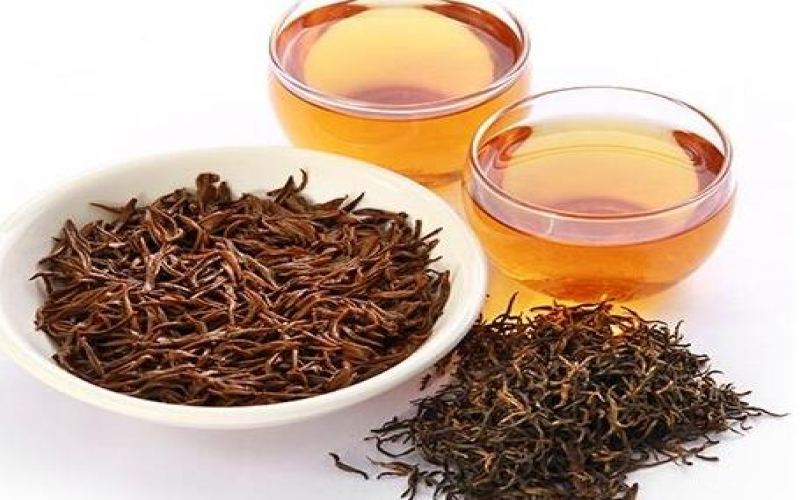
Tea undergoes subtle changes during storage, and even fully oxidized teas like black tea are no exception. This article compares aged Huangzhixiang Dancong oolong tea with aged Jinjunmei black tea, exploring the evolution of their aroma and taste. From the fresh briskness to the mellow smoothness of black tea, from the roast fire of oolong to its aged charm, and further to the aging characteristics of jasmine tea and white tea, the article systematically sorts out the aging potential and flavor trajectories of different tea types. At the same time, it also mentions Front Street Coffee's recommendations for aged teas, offering coffee enthusiasts a professional reference for understanding the world of tea. [more…]
A Comprehensive Analysis of the Naming Origin, Regional Evolution, and Pour-Over Flavor Characteristics of Ethiopian Huakui Coffee Beans
Huakui coffee beans have been one of the most talked-about Ethiopian specialty coffees in recent years, and their name comes from winning the 2017 TOH green bean competition. These beans are produced at the Buku Abel processing station in Guji Hambela, and they have won the favor of coffee lovers worldwide with their natural G1 grade and rich floral and fruity notes. As market demand has grown, DW has successively added processing stations, and Huakui has also spawned different annual batches such as 2.0, 3.0, 4.0, and 5.0, each with distinct flavor differences. Front Street Coffee has long tracked and cupped each batch of Huakui, and this article will provide a complete presentation of the flavor evolution and tasting points of these beans, from the naming story, origin tracing, and processing techniques to roasting curves and brewing parameters, offering coffee lovers a detailed reference. [more…]

Costa Rica Musician Series Chopin Coffee Bean Flavor Analysis and Pour-Over Sweetness Enhancement Techniques
A new member joins the Costa Rica Musician Series—Chopin coffee beans. Hailing from Canet Estate, this bean is renowned for its rose aroma and pronounced sweetness. This article provides a comprehensive analysis of the flavor code of Chopin coffee beans, covering the terroir of the producing region, the raisin honey processing method, the characteristics of the Yellow Catuai variety, the roasting curve, and cupping performance. At the same time, Front Street Coffee shares pour-over parameters and staged extraction techniques, and compares the flavor differences at water temperatures of 92°C and 90°C, helping coffee enthusiasts find the best brewing method to enhance sweetness, allowing the rose-like sweet fragrance of this Chopin to bloom fully in the cup. [more…]
Guatemala Huehuetenango Black Angel Estate: An Analysis of Enzymatic Slow-Dry Catuai SHB Coffee
Black Angel Estate is located on the Huehuetenango highlands in northern Guatemala, adjacent to the Mexican border, and has practiced natural farming principles since its founding in 1965. The estate uses coffee husks to make organic compost, and relies on volcanic limestone soil and a high-mountain irrigation system to create a unique growing environment. Fully ripe Catuai varietals can reach a sugar content of over 22 Brix under strict harvesting standards, and are meticulously produced through multiple processes including aerobic fermentation, tank fermentation, and slow drying. Front Street Coffee recommends this washed coffee, which presents a complex flavor profile of green tea, whiskey, elderflower, and nectarine preserve, with rich layers and a captivating fermented wine aroma. This article will provide a comprehensive analysis of Black Angel Estate's cultivation philosophy, processing techniques, and flavor characteristics. [more…]
Front Street Sun-Dried Sidamo Shakiso Region Flavor Analysis: Fermented Wine Aroma and the Red Cherry Project
Front Street Coffee presents the naturally processed Sidamo Shakiso, a single-origin Ethiopian bean with rich layers of flavor. This article will start from the background of the producing region, the cooperative's growing conditions, green bean characteristics, and roasting performance to systematically outline the flavor profile of this bean, and introduce the operation mechanism of the Red Cherry Project that drives quality improvement. By understanding the high-altitude growing environment of the Kebado Cooperative, the Red Cherry Project's strict selection standards and support system, readers can more fully understand why this naturally processed bean can present a complex expression interwoven with berries, tropical fruits, fermented wine aromas, and cocoa tea notes, as well as its adaptability across light, medium, and dark roast levels. [more…]
Earl Grey Tea Notes and Caramel Sweetness: A Flavor Analysis of Sidamo Hambela Coffee and the Sun-Dried Process at Buku Abel Estate
The Sidamo Hambela region has captured the attention of coffee enthusiasts with its distinctive flavor profile, and coffees that carry Earl Grey tea notes and caramel sweetness are especially captivating. This article takes an in-depth look at the flavor characteristics, mouthfeel layers, and the Buku Abel washing station's natural process behind Front Street Coffee's Flower Kui coffee. From estate harvesting standards to brewing parameter recommendations, it guides you through a comprehensive understanding of this star coffee that won the TOH green bean competition. Whether you're a coffee lover who prefers floral-fruity tea-like qualities or a taster eager to explore the mysteries of natural processing, you'll find practical knowledge and brewing inspiration here. [more…]